Why Wet-Area Tiles Become Slippery And How Anti-Slip Treatment Fixes It

The Tile & Stone Specialists • July 31, 2026

Tiles that felt perfectly safe when first installed can become noticeably slippery over time. It’s a common experience in bathrooms, around pools, on tiled entryways and in commercial kitchens — and it’s usually not the tiles themselves that have changed. It’s what’s happened to the surface over months and years of use.


Understanding why wet-area tiles lose their grip makes it much easier to understand how anti-slip tile treatment on the Sunshine Coast restores it — and why treating the surface is a more practical solution than replacing perfectly functional tiles.

Why Wet-Area Tiles Lose Slip Resistance Over Time

The slip resistance of a tile is not a fixed property. It depends on the condition of the surface at any given time: the texture of the tile, the build-up or residue on that surface, the state of the grout, and the amount of water pooling at the point of foot contact. All of these change with regular use, and they generally change in the direction of less grip rather than more.


Slip risk in wet areas tends to develop gradually rather than appearing suddenly. The floor that felt fine six months ago starts to feel unreliable, particularly when wet, and the change happens so incrementally that it can go unnoticed until someone slips. The good news is that each of the contributing factors is addressable — and most of them can be treated without removing a single tile.

Worn Surface Texture And Reduced Traction

Most tiles that are suitable for wet areas have a surface texture — whether from a deliberately roughened profile, a matte or satin finish, or a patterned mould pressed into the tile surface during manufacturing. That texture provides the micro-grip that prevents feet from sliding under wet conditions.


Over time, foot traffic wears away that texture. The highest-traffic areas — the entry point of a shower, the pool steps, the centre of a bathroom floor — experience the most wear and become the slipperiest. Hard-soled shoes, abrasive cleaning tools and general use all contribute. The effect is gradual but cumulative, and on tiles that weren’t highly textured to begin with, even modest wear can make a meaningful difference to grip.

How Cleaning Residue And Sealer Build-Up Make Tiles Slippery

This is one of the more overlooked contributors to slippery tiles. The residue left behind by cleaning products, soap, body wash and shampoo can build up on a tile surface over time and create a thin, invisible film that significantly reduces traction. Some cleaning products — particularly those with high surfactant content — are designed to leave a surface feeling smooth, which is appealing on benchtops but counterproductive on bathroom floors.


Sealer build-up is another contributor. Tile sealers are applied to protect the tile surface and the grout, but if reapplied without proper preparation, or if the wrong product is used, sealers can accumulate in a way that creates a slippery coating rather than a protective one.


Products that cause slip-related surface build-up include:


  • Surfactant-rich floor and tile cleaners used repeatedly without rinsing
  • Furniture polish or wax applied to tiled surfaces
  • Incompatible or over-applied tile sealers that film over the surface rather than penetrating it
  • Soap scum accumulation in showers and around bath edges


Having tiles professionally cleaned before any treatment is applied removes this build-up and restores a clean base. Our tile grout cleaning service removes deep-set residue and prepares the surface properly for any subsequent sealing or anti-slip treatment.


Polished And Glazed Finishes: Beauty Vs. Grip

Polished porcelain, glazed ceramic and large-format smooth tiles are popular for their appearance — they’re easy to clean, look striking in photography and can make a space feel larger and more contemporary. They are also, when wet, among the most slippery tile surfaces available.


The same surface quality that makes polished tiles look good — a smooth, reflective face with minimal surface variation — is exactly what reduces grip under wet conditions. Water sits as a continuous film on a smooth surface rather than channelling away through texture, creating the hydroplaning effect that causes slips. Many homeowners are surprised to find that tiles that appeared safe when dry become genuinely hazardous in a wet bathroom or pool surround.

How Grout Wear Changes The Way Water Sits On The Surface

Grout plays a more significant role in wet-area slip resistance than most people realise. The grout lines between tiles act as channels that direct water away from the walking surface, breaking up the continuous water film that makes smooth tiles slippery. When grout is intact and slightly recessed, it provides drainage pathways. When grout wears, cracks or becomes flush with the tile surface, those drainage channels disappear.


Maintaining grout in good condition is an important part of wet-area floor safety. Our tile grout sealing service protects grout from the water ingress, staining and deterioration that leads to this problem, extending the functional life of the floor and preserving the drainage that intact grout provides.

What Anti-Slip Treatment Actually Does

Anti-slip tile treatment is neither a cleaning product nor a traditional sealer. It is a chemical treatment that works directly on the tile surface to create microscopic etching or profiling that improves grip under wet conditions. The treatment does not add a visible coating — the tile looks and feels essentially the same after treatment — but water no longer sits as a continuous film on the surface. Instead, it channels into the microscopic texture the treatment has created, significantly improving traction.


Professional anti-slip tile treatment on the Sunshine Coast is applied in a single visit, typically takes less than an hour for a standard bathroom, and does not require tiles to be left unused for extended periods. The treated surface is tested before the job is complete to confirm the treatment has achieved the required level of grip.

How Long Anti-Slip Treatment Lasts

The longevity of anti-slip treatment depends on the tile material, the type of treatment applied and how heavily the area is used. A well-applied professional treatment on a tiled bathroom or laundry floor typically lasts several years before a reapplication is needed. High-traffic commercial areas or outdoor surfaces with heavy exposure to weather and abrasion will require more frequent attention.


The treatment does not wear away in the way a surface coating does, because it is working at the microscopic level of the tile surface rather than sitting on top of it. However, the same surface conditions that caused the original slip problem — residue build-up, sealer overapplication — can gradually reduce the effectiveness of the treatment if regular maintenance cleaning is not carried out.

Where Anti-Slip Treatment Is Most Commonly Applied

Anti-slip treatment is suitable for most tiled wet areas, and the applications on the Sunshine Coast range from single bathrooms through to commercial pools and hospitality venues.


Common applications include:


  • Bathroom floors and shower bases, particularly in homes with polished or glazed tile finishes
  • Pool surrounds, including tiled pool steps and the concourse area around the pool edge
  • Alfresco and outdoor tiled areas where water pools during rain or from outdoor showers
  • Commercial kitchens, café and restaurant floors where wet conditions are constant and slip risk has liability implications
  • Aged care, childcare and gym facilities where slip safety is a regulatory and duty-of-care requirement
  • Holiday rental and Airbnb properties where varied occupants with differing mobility need to be considered

Slip Risk Is A Maintenance Issue, Not A Reason To Replace Your Tiles

The most common misconception about slippery tiles is that replacement is the only solution. In most cases, it isn’t. Tiles that have lost their slip resistance through wear, residue build-up or grout deterioration are not structurally compromised — they’re tiles whose surface condition has changed in a way that’s addressable with the right treatment.


Professional anti-slip treatment, grout maintenance and the right cleaning approach can restore a wet-area floor to a safe condition at a fraction of the cost of retiling. For most Sunshine Coast homeowners and commercial operators, treating the surface is the practical, cost-effective and lower-disruption path to a safe floor.

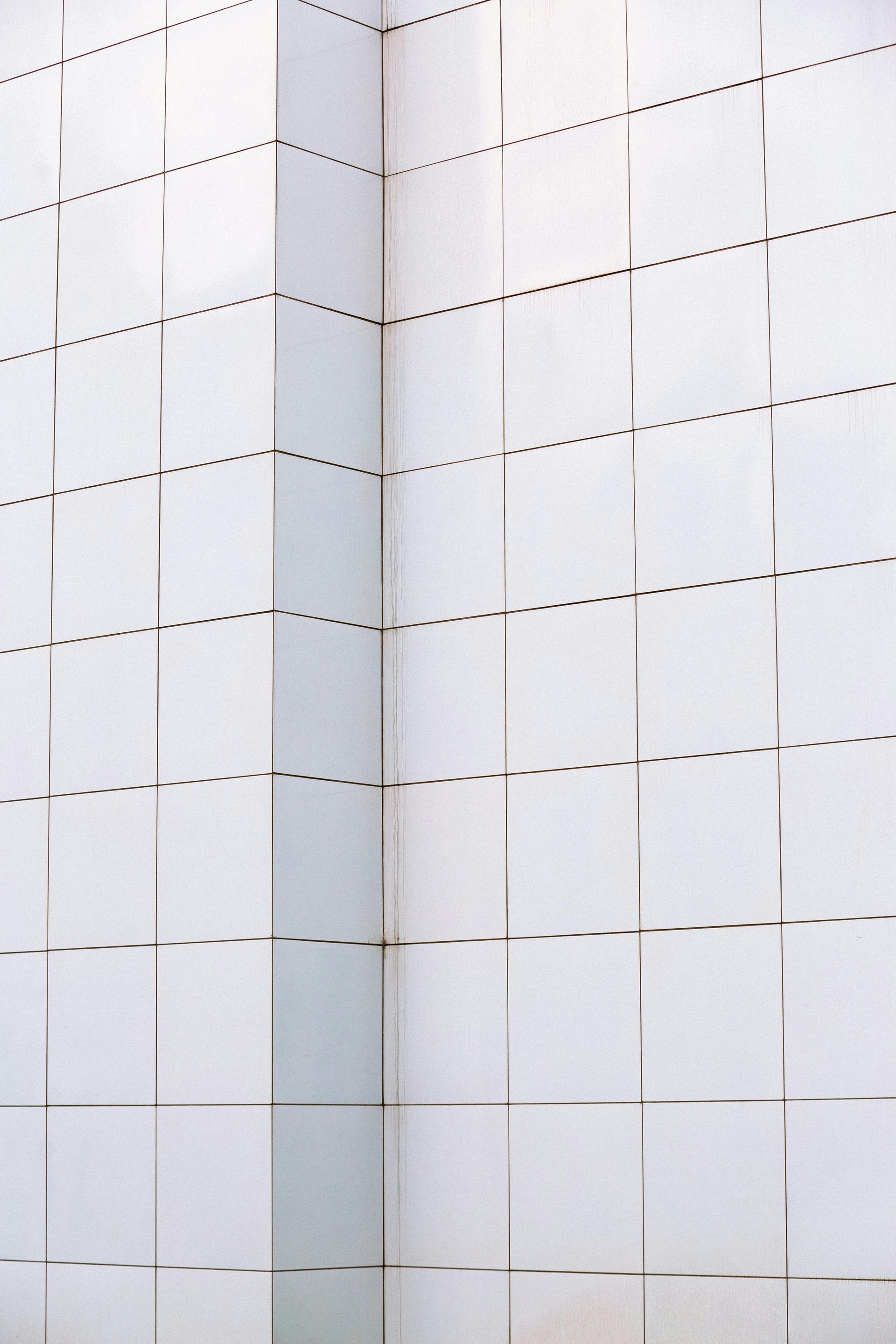
White tiled wall corner with dashed grid lines and vertical cracks
By The Tile & Stone Specialists April 21, 2026
From muddy footprints to cooking oils and coastal moisture, grout wears it all. Which is why so many people from end up searching for tradies.
Professional Tile Cleaning
By The Tile & Stone Specialists March 18, 2026
See how expert tile cleaning on the Sunshine Coast transforms surfaces. Restore shine with grout cleaning and stone cleaning. Book today.
A Large Room With a Black Tile Floor and a Staircase — The Tile & Stone Specialists in Peregian Beach, QLD
February 24, 2025
Epoxy Grout Services improve tile durability, resist stains and prevent mould growth. Upgrade your floors with a lasting solution today!
A Living Room with A Tv and Table — The Tile & Stone Specialists in Peregian Beach, QLD
January 15, 2025
Learn how carpet cleaning in Sunshine Coast and Maroochydore services extend your carpet's lifespan and promote a healthier indoor space. Read now!
A Red Tile Floor With a Reflection of a Window — The Tile & Stone Specialists in Peregian Beach, QLD
December 27, 2024
Read our blog to learn how high humidity affects tile and grout. Choose our expert tile and grout cleaning services on the Sunshine Coast today.
A Cleaned Bathroom — The Tile & Stone Specialists in Peregian Beach, QLD
November 6, 2024
Discover the best sealants for floor tiles. Learn about different types and how to protect your floors. Shop now for top-quality tile sealants!
A Living Room with A Couch and Table — The Tile & Stone Specialists in Peregian Beach, QLD
May 6, 2024
Know the telltale signs indicating your tiles require expert cleaning. Check how to spot them and maintain pristine surfaces effortlessly!
A Living Room with A Couch — The Tile & Stone Specialists in Peregian Beach, QLD
May 2, 2024
Learn about sealing natural stone tiles to preserve their beauty and longevity. Here's the step-by-step process, best products, and expert tips.
A Living Room with A Kitchen — The Tile & Stone Specialists in Peregian Beach, QLD
April 12, 2024
Choosing the right tile grout color is crucial for your project's aesthetics. Explore our guide to make the perfect choice. Find out more!

A Close Up of a Tiled Floor That Looks Like Wood — The Tile & Stone Specialists in Peregian Beach, QLD
December 22, 2023
Transform your space with our tile restoration services. Uncover the advantages of restoration over replacement. Read on to learn more!
Show More