
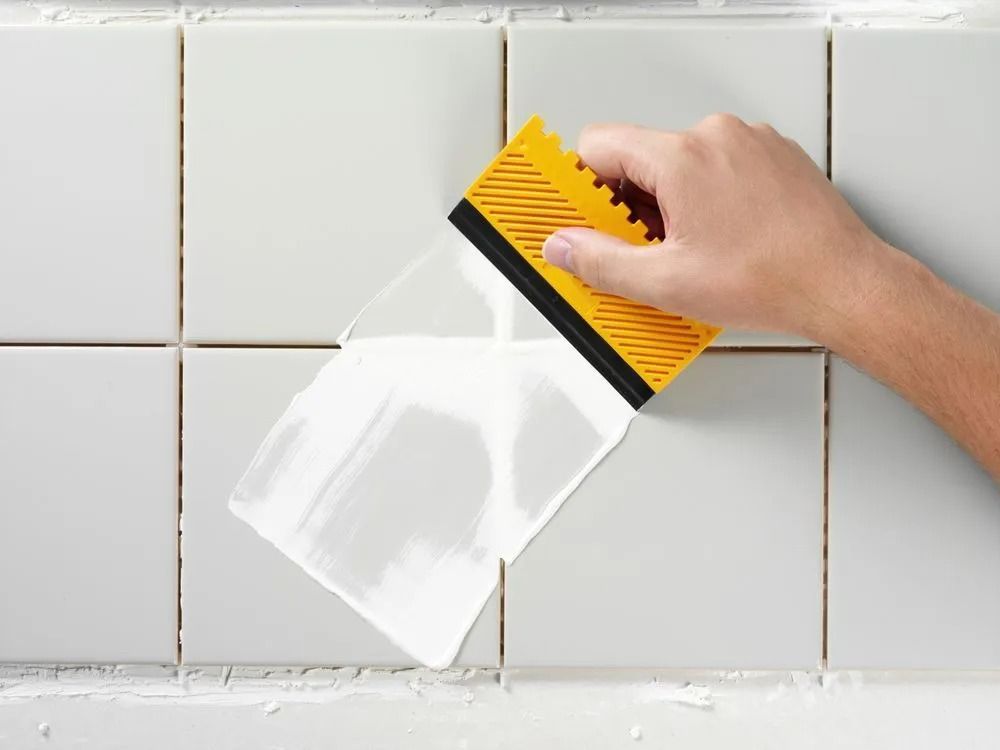
The Difference Between Surface Wear And Sealer Failure

The Tile & Stone Specialists • October 7, 2026

A dull, patchy or discoloured tiled or stone surface does not automatically mean the sealer has failed. Sometimes the protective sealer has deteriorated; other times, the surface itself has physically worn through abrasion, traffic or exposure. Knowing which problem you have is important because cleaning, resealing and surface restoration solve different issues.


At The Tile & Stone Specialists, we work with tiles, natural stone, concrete and pavers across the Sunshine Coast. Here’s how we distinguish surface wear from sealer failure and determine what a surface actually needs.

Why Surface Wear and Sealer Failure Are So Often Confused

Surface wear and sealer failure can look surprisingly similar. Both may leave a floor, patio, pool surround or paved area looking uneven, faded, dull or more difficult to keep clean.


The difference is where the deterioration has occurred. Surface wear is a physical change to the material itself, while sealer failure means the protective barrier applied to that material is no longer performing as intended.


There can also be more than one issue at the same time. A high-traffic stone floor, for example, may have worn areas as well as a deteriorating sealer. Applying more sealer without first identifying the condition of the underlying surface may not produce the finish you expect. That's why we assess the material, existing finish, wear pattern and likely contamination before recommending a treatment.

What Is Surface Wear?

Surface wear occurs when the actual tile, stone, concrete or paver surface changes through abrasion, repeated foot traffic or environmental exposure. You'll often notice wear first in the areas that receive the most use. Walkways through a room, entrances, commercial traffic paths and frequently used outdoor areas may lose their original appearance faster than surrounding sections.


On some natural stone surfaces, wear can affect the finish itself. A polished surface may become dull in traffic areas, for example, because repeated abrasion has changed its appearance.

Deep cleaning may remove dirt and residue sitting on or within the surface, but it cannot reverse physical wear. Where the finish itself has deteriorated, restoration techniques such as honing or stone polishing may be more appropriate, depending on the material.


The important distinction is that surface wear isn't simply a dirty surface. Cleaning can reveal the true condition underneath, but physical deterioration may require restoration.

What Is Sealer Failure?

Sealer failure occurs when a protective sealer has deteriorated to the point that it no longer provides the intended level of protection against moisture, oils or staining.


Different surfaces and applications may use different sealing systems. Penetrating sealers are designed to absorb into porous materials, while some membrane or topical sealers form a protective layer closer to the surface.


As a sealer deteriorates, you may notice that water absorbs more readily, previously protected areas darken when wet or staining becomes easier. With some surface coatings, deterioration may also appear patchy or uneven.


Failure does not necessarily happen evenly across an entire area. High-traffic sections, exposed outdoor areas and frequently cleaned zones can behave differently from more protected sections.


There is no single resealing interval that applies to every surface. How long a sealer performs depends on factors including the substrate, type of sealer, exposure, traffic, cleaning methods and location.

How to Tell the Difference: Signs to Look For

The first step is to look at both the appearance of the surface and how it behaves. Signs that may indicate surface wear include:


  • Dullness concentrated along regular traffic paths
  • A polished finish that has lost its sheen
  • Visible abrasion or changes in surface texture
  • Areas that remain dull even after thorough cleaning
  • Uneven appearance that corresponds closely with physical use


Signs that may indicate sealer deterioration include:


  • Water absorbing or darkening the material more readily
  • Increased susceptibility to staining
  • Uneven water repellency across different areas
  • Patchiness in an existing surface coating
  • Previously protected porous areas becoming more absorbent


A simple water-drop test can provide a useful clue. Place a small amount of water on a clean, dry section and observe what happens. If the material quickly darkens or absorbs the water, the surface may be unsealed or the existing sealer may no longer be providing effective protection.


The test doesn't tell you everything about the condition of the material or identify which sealer was previously used. However, it can help distinguish an absorbency problem from a surface that simply looks dull.


Cleaning is another part of the diagnosis. Professional floor tile cleaning can remove built-up contamination that might otherwise be mistaken for wear or sealer deterioration.

Why Coastal Surfaces Can Show Both Faster

Sunshine Coast properties can expose outdoor tiles, stone, concrete and pavers to strong UV, rain, salt and regular environmental contamination. These conditions can contribute to changes in both the surface and its protective finish. Rather than repeating the full explanation here, we've covered why sealers wear off faster in coastal homes in more detail separately.


The practical point is that location matters when diagnosing a problem. An exposed pool surround or paved entertaining area experiences very different conditions from a protected indoor floor, even if both were originally sealed.

Choosing the Right Fix: Deep Cleaning, Resealing or Surface Restoration

Once you know what's causing the appearance of the surface, you can choose a treatment that addresses the actual problem.


Deep cleaning is appropriate when dirt, oils, residue or other contamination are affecting the appearance of an otherwise sound surface. Cleaning may also be necessary before you can accurately assess the underlying finish. It is commonly an important preparation step before resealing. Applying sealer over contamination can trap unwanted material beneath the new finish or interfere with the result.


Resealing may be appropriate when the existing protective treatment has deteriorated but the underlying material remains in suitable condition. The surface may need to be cleaned thoroughly and allowed to dry appropriately before a compatible sealer is applied. For homeowners considering tile sealing on the Sunshine Coast, we assess the material and its current condition rather than assuming that every dull or absorbent surface simply needs another coat of sealer. We work with sealing products from established brands including Tensens and Prochem, selecting the treatment according to the surface and application.


Restoration becomes relevant when the material itself has physically deteriorated. Natural stone that has lost its finish through abrasion, for example, may require specialist restoration rather than cleaning and resealing alone. The exact process depends on the material and the type of damage. The objective is to address the physical condition of the surface before considering what ongoing protection it may need.


In some cases, the correct treatment involves several stages: cleaning first, restoration where necessary, followed by an appropriate sealing treatment.

When to Call in a Professional

If a surface still looks dull after cleaning, absorbs water unexpectedly or has become patchy and difficult to maintain, it's worth finding out why before applying another product. Using an unsuitable cleaner, coating or sealer can make subsequent restoration more complicated. This is particularly important with natural stone and previously sealed surfaces, where the existing material and treatment need to be considered together.


With more than 35 years of experience on the Sunshine Coast, we have worked with a wide range of tiled, stone, concrete and paved surfaces. We can assess whether the issue is contamination, physical wear, sealer deterioration or a combination of problems and recommend the appropriate next step.


The key takeaway is to treat the cause rather than the appearance alone. Dirt calls for cleaning, a deteriorated protective barrier may require resealing, and physical surface damage may need restoration.


If your tiles, natural stone, concrete or pavers have become dull, patchy, stained or unusually absorbent, contact The Tile & Stone Specialists. Our team can assess the surface and help determine whether cleaning, resealing or restoration is the appropriate approach.

FAQs

  • Can I tell if a sealer has failed by looking at it?

    Not always. Some failing sealers may produce visible patchiness, while penetrating sealers can deteriorate without creating an obvious surface film. Looking at how the material responds to water can provide additional information.

  • How do I do a water-drop test on sealed tiles or stone?

    Place a small amount of water on a clean, dry area and observe whether it beads on the surface or absorbs and darkens the material. Quick absorption can indicate that the area is unsealed or that its existing protection has deteriorated.

  • Will resealing fix a dull stone surface?

    Not necessarily. If the dullness results from physical wear to a polished or finished stone surface, applying sealer does not restore that finish. The stone may require professional restoration or polishing first.

  • Should tiles and stone be cleaned before resealing?

    Proper preparation is important before applying a new sealer. Existing dirt, residues and other contamination may need to be removed so the condition of the surface can be assessed and the appropriate sealing treatment applied.

  • How often should outdoor tiles, pavers or stone be resealed?

    There is no universal schedule. The appropriate timing depends on the material, sealer type, traffic, exposure, cleaning methods and environmental conditions, so the condition of the surface is more useful than relying on a fixed interval.

  • Can surface wear and sealer failure happen at the same time?

    Yes. A heavily used or exposed area can have physical surface wear as well as deteriorating sealer protection. In that situation, the surface may need cleaning and restoration before resealing is considered.

Man Doing Tile Sealing in Coastal Homes
By The Tile & Stone Specialists • August 25, 2026
Wondering why sealers fail faster on the Sunshine Coast? Discover how salt air, UV & rain affect coastal surfaces, and how to protect them long-term.
Polished Floor Protected With Anti Slip Tile Treatment Sunshine Coast.
By The Tile & Stone Specialists • July 31, 2026
Discover how anti slip tile treatment in Sunshine Coast restores grip on slippery tiles and improves safety in bathrooms, pools and entryways.
White tiled wall corner with dashed grid lines and vertical cracks
By The Tile & Stone Specialists • April 21, 2026
From muddy footprints to cooking oils and coastal moisture, grout wears it all. Which is why so many people from end up searching for tradies.
Professional Tile Cleaning
By The Tile & Stone Specialists • March 18, 2026
See how expert tile cleaning on the Sunshine Coast transforms surfaces. Restore shine with grout cleaning and stone cleaning. Book today.
A Large Room With a Black Tile Floor and a Staircase — The Tile & Stone Specialists in Peregian Beach, QLD
February 24, 2025
Epoxy Grout Services improve tile durability, resist stains and prevent mould growth. Upgrade your floors with a lasting solution today!
A Living Room with A Tv and Table — The Tile & Stone Specialists in Peregian Beach, QLD
January 15, 2025
Learn how carpet cleaning in Sunshine Coast and Maroochydore services extend your carpet's lifespan and promote a healthier indoor space. Read now!
A Red Tile Floor With a Reflection of a Window — The Tile & Stone Specialists in Peregian Beach, QLD
December 27, 2024
Read our blog to learn how high humidity affects tile and grout. Choose our expert tile and grout cleaning services on the Sunshine Coast today.
A Cleaned Bathroom — The Tile & Stone Specialists in Peregian Beach, QLD
November 6, 2024
Discover the best sealants for floor tiles. Learn about different types and how to protect your floors. Shop now for top-quality tile sealants!
A Living Room with A Couch and Table — The Tile & Stone Specialists in Peregian Beach, QLD
May 6, 2024
Know the telltale signs indicating your tiles require expert cleaning. Check how to spot them and maintain pristine surfaces effortlessly!
A Living Room with A Couch — The Tile & Stone Specialists in Peregian Beach, QLD
May 2, 2024
Learn about sealing natural stone tiles to preserve their beauty and longevity. Here's the step-by-step process, best products, and expert tips.
Show More